3D Design Icons: A Versatile Graphic Asset for Modern Branding
As a brand designer and content marketer with years of experience in crafting visual narratives, I recently reviewed 3D Design Icon as part of a small business campaign preparing to launch a new line of eco-friendly home goods. The product’s promise was intriguing—clean, customizable icons that could elevate everything from social media graphics to packaging design. Here's my professional take on how it fits into real-world marketing strategies and where it shines—or doesn’t.
First Impressions: Pixel-Perfect and Professional
The first thing I noticed about 3D Design Icon is its polished appearance. As someone who reviews dozens of graphic assets each week, the level of detail and the clean nodes stand out immediately. These are not just generic clipart or illustrations; they feel like high-quality SVG designs ready to be integrated into various branding materials. The mood they create is modern and slightly playful, which aligns well with lifestyle brands, digital product creators, and even some editorial content.
While the 3D elements add depth and dimension, they do so without overwhelming the viewer. This subtle balance makes them suitable for both premium visuals and more casual branding efforts. If you're looking for an asset that can bridge the gap between handmade aesthetics and tech-forward presentation, this might be your go-to choice.
Practical Use in Real Marketing Projects
In our project, we needed a set of icons that would support a cohesive visual language across multiple platforms. 3D Design Icon performed exceptionally well in several key areas:
- Social Media Graphics: From Instagram posts to Facebook ads, the icons added a dynamic layer to our hero images. Their 3D nature helped break up text-heavy layouts while maintaining a professional tone.
- Packaging Accents: We used them as decorative elements on product labels and inserts. They didn’t distract from the main message but instead enhanced the overall aesthetic appeal.
- Canva Templates: The vector format made scaling effortless, especially when designing templates for blog headers or email banners. The reduced points meant customization was smooth and didn’t compromise quality.
- Lead Magnets & Media Kits: For downloadable content like PDF guides and press kits, the icons gave our assets a more engaging and modern look, increasing perceived value.
Supporting Stronger Campaign Visuals
One of the biggest advantages of using 3D Design Icon is how it contributes to stronger first impressions. In today’s fast-paced digital world, audiences form opinions within seconds. These icons help capture attention quickly without introducing visual clutter. Their structured yet creative style supports clearer visual hierarchy, guiding the eye toward key messages and calls to action.
For a brand refresh or a seasonal promotion, these icons offer flexibility. You can use them to build consistency across your entire content ecosystem—from website headers to promotional banners. That kind of uniformity fosters better audience trust and reinforces brand recognition over time.
Where It Works Best: Modern and Creative Applications
I found that 3D Design Icon thrives in environments where creativity meets clarity. Some standout applications include:
- Hero Graphics: Ideal for showcasing new products or event promotions. The 3D depth helps make the design pop.
- Campaign Headers: Whether it's for a newsletter or a landing page, these icons provide a fresh angle to traditional layout structures.
- Branded Templates: Especially useful for bloggers and online coaches needing a consistent visual identity across their content marketing tools.
- Printable Promotions: Their crisp edges and clean lines translate beautifully to print, making them perfect for posters or flyers.
- Editorial Layouts: When paired with minimalist photography or flat illustrations, they enhance the storytelling aspect of editorial design.
What’s also great is how they pair with different font styles. We tested them with serif, sans-serif, script, and display fonts, and the icons adapted well—maintaining readability and harmony in each case.
Use with Caution: Not All Brands Are a Match
That said, there are situations where 3D Design Icon may not be the best fit. For example, if you’re working on formal corporate branding or a very minimalistic design system, the 3D effects might feel too bold or disruptive. Similarly, in dense information layouts or text-heavy ads, these icons could compete with the main message rather than complement it.
We also noticed that when placed on low-contrast backgrounds, the icons lost some of their impact. Always test them against your brand color palette. And remember—if you're planning to use them in paid campaigns or client work, confirm the commercial license details to avoid any legal hiccups later.
Design Notes from a Brand Marketer’s Perspective
Here are some practical tips I’ve compiled during my review process:
- Test with Your Brand Palette: Import the icons into your existing Canva template or Adobe suite to see how they interact with your primary colors.
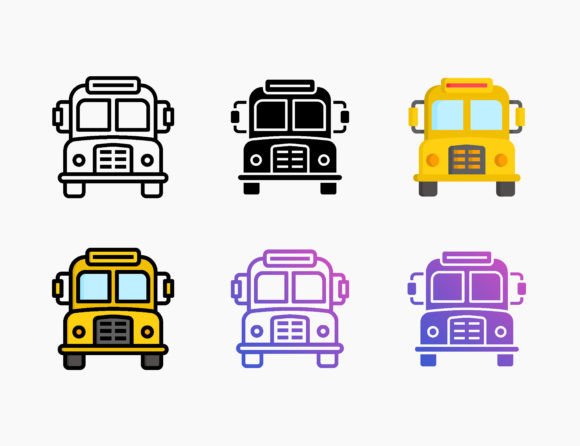
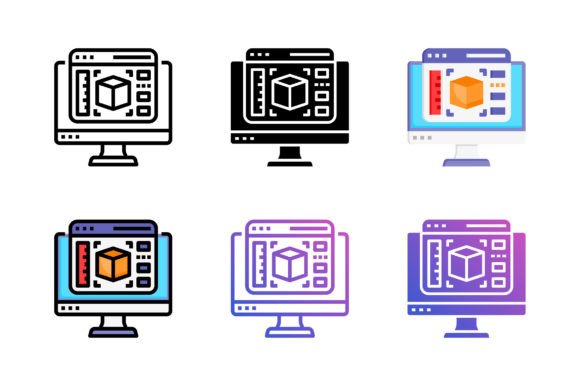
- Check Black and White Versions: Many brands require grayscale versions for certain print or web uses. Make sure the icon still retains its shape and meaning without color.
- Preview on Mobile Screens: The 3D effect can sometimes get lost in smaller resolutions. Ensure the icon remains legible and impactful at all sizes.
- Compare Competitor Visuals: If your industry leans heavily on flat design or abstract illustration, consider whether 3D Design Icon will help you stand out or blend in.
- Review Spacing and Balance: Icons need breathing room. Test how much negative space they require to maintain a harmonious composition.
- Confirm Commercial Usage: Before using in digital ads, product labels, or branded merchandise, verify that the licensing allows for such usage.
Emotional Tone and Audience Appeal
The emotional tone of 3D Design Icon is bright, approachable, and slightly whimsical. This makes them particularly appealing to younger demographics or brands that want to convey innovation and sustainability. In our case, the target audience was eco-conscious consumers interested in stylish yet functional home products, and the icons helped us establish a warm, inviting brand personality.
They also contribute to a stronger emotional connection by adding a touch of interactivity to static content. Whether it’s a Pinterest pin or a digital ad, the slight 3D perspective invites engagement and curiosity.
Limitations and Considerations
Despite their versatility, there are limitations to keep in mind. Since they are optimized for digital use, printing them on textured surfaces (like kraft paper or canvas) may reduce their visual sharpness. Additionally, if you’re creating mobile-first designs, ensure that the 3D features don’t become distracting at smaller sizes.
Another consideration is contrast. If your background is light or neutral, the icons may need to be outlined or layered differently to ensure visibility. Also, while the icons are designed with clean nodes, some intricate variations may require minor tweaking to match your specific brand guidelines.
Why It’s a Valuable Design Asset for Content Creators
For content creators and small business owners, having access to a design bundle like 3D Design Icon is invaluable. It reduces the time spent sourcing individual assets and ensures that your marketing visuals remain cohesive and on-brand. Whether you're building a media kit, designing a lead magnet, or refreshing your social media feed, these icons are a reliable addition to your creative toolkit.
They’re especially useful in the creative marketplace, where visual differentiation is key. As a digital seller or online coach, incorporating these into your course thumbnails or email templates can give your content a more professional edge and improve click-through rates.
Final Thoughts for Brand Owners and Digital Marketers
After integrating 3D Design Icon into our product launch campaign, I can confidently say it’s a strong contender in the realm of graphic design assets. Its ability to adapt across formats—from editorial graphics to web design—makes it a versatile option for anyone involved in content marketing or brand development.
If you're launching a new service, promoting a seasonal offer, or simply looking to inject more visual interest into your branding, these icons can help you achieve that without sacrificing professionalism. Just remember to test them thoroughly, adjust for context, and always check licensing terms before going live.
Ultimately, 3D Design Icon isn’t just another graphic file—it’s a strategic component of your visual communication plan. Used wisely, it can transform ordinary designs into memorable ones, helping you connect more effectively with your audience across every touchpoint.