Hyperactivity Icon – A Versatile Graphic Design Asset for Creative Sellers
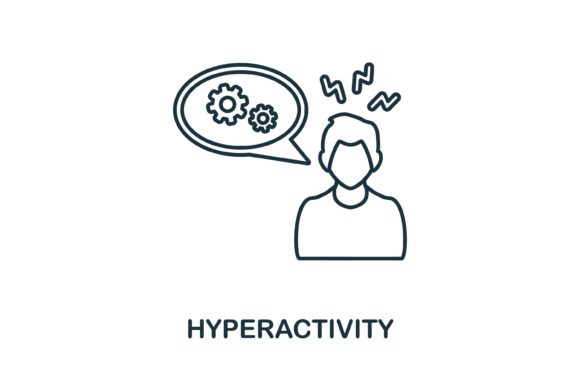
As a seasoned digital product creator, I’m always on the lookout for high-quality graphics that can elevate my listings and bring more value to my customers. When I first saw the Hyperactivity Icon, it caught my attention with its clean outline style and thoughtful design. It belongs to a psychotherapy-themed collection, which immediately tells me it's targeted at designers working in wellness, mental health, or educational spaces. The line-style presentation gives it a modern, professional feel—perfect for infographics, web design, and branding projects where subtlety is key.
First Impressions: Mood and Audience Appeal
The Hyperactivity Icon has a visual personality that leans toward minimalism and clarity. Its outline format suggests it’s been designed with scalability in mind, so it should hold up well across different applications—from digital downloads to merchandise. While it might not scream “playful” like some other icons, it definitely communicates focus and energy, which could resonate with buyers interested in mental health awareness, productivity tools, or educational materials.
This kind of icon doesn’t appeal to just anyone—it targets a niche audience. If you're selling products related to psychology, therapy, ADHD awareness, or even children's learning resources, this graphic could be a great fit. It feels more commercial than handmade, so it works better for businesses aiming for a polished look rather than those leaning into rustic or vintage aesthetics.
Real-World Use Cases for Digital Product Creators
Let’s get practical. Here are several ways I’ve tested using the Hyperactivity Icon in real product scenarios:
- SVG Products: Works well as a standalone graphic for Cricut or Silhouette projects. The clean lines ensure accurate cutting when used on vinyl or heat transfer material.
- PNG Designs: Offers excellent transparency, making it easy to layer onto background patterns or mockups without losing quality.
- Clipart Bundles: Fits nicely into themed bundles around mental health, education, or behavior management, especially if your target market includes educators or parents.
- Sublimation Design: The bold yet simple form translates well to sublimation prints on mugs, tumblers, and apparel, giving a professional finish without overwhelming the viewer.
- Printable Wall Art: Can serve as a symbolic piece in a larger composition, especially in designs aimed at nurseries, classrooms, or therapy offices.
- Planner Stickers: The single-line drawing makes it ideal for minimalist planner stickers that don’t require too much detail but still make a clear statement.
- T-Shirt Graphics: Best suited for small-scale use or as part of a larger graphic due to its abstract nature. Alone, it may lack the visual punch needed for fashion-forward t-shirt designs.
- Mug and Tumbler Wraps: Performs admirably here, especially when paired with soft pastel color schemes or subtle gradients to add depth.
- Tote Bag Prints: Can be used effectively as an accent in a larger layout, perhaps alongside other therapeutic symbols for a cohesive brand message.
- Canva Templates: Integrates smoothly into templates for social media posts, blog headers, or infographic-style content about neurodiversity and mental health.
- Cricut Projects: As long as the file structure is solid, it should cut cleanly on most machines. Always test on a sample before bulk production.
- Scrapbooking Kits: Could work as a decorative element in layouts focused on personal growth, mindfulness, or self-awareness themes.
- Digital Paper Packs: Great for adding a subtle touch of meaning to paper designs intended for planners or journals.
- Social Media Templates: Especially useful in Instagram Stories or Pinterest pins targeting mental health advocates or creative entrepreneurs in the wellness space.
Product Presentation Tips for Maximum Impact
One of the biggest challenges for digital sellers is how to present their assets in a way that builds trust and showcases versatility. For the Hyperactivity Icon, I recommend including the following in your listing visuals:
- Mockup Previews: Show it on a variety of products like a mug, tote bag, or wall art to give potential buyers a realistic sense of scale and application.
- Thumbnail Appeal: Since Etsy and similar platforms rely heavily on thumbnails, test placing it against both light and dark backgrounds to see what stands out best.
- Listing Images: Use it in multiple formats (EPS, JPG, AI) to demonstrate the flexibility of the asset. This helps set expectations and reduces customer confusion.
- Product Bundles: Consider pairing it with other icons from the same collection for a more comprehensive mental health or educational bundle.
- Seasonal Collections: If your business runs on seasonal trends, this icon could subtly support back-to-school or wellness-focused collections.
- Brand Consistency: If your shop has a consistent aesthetic, this icon can help reinforce your brand identity with a professional touch.
- Visual Storytelling: Use it as a symbol in a series of illustrations or templates that tell a story about mental health, focus, or emotional well-being.
- Customer Trust: High-resolution files and clear instructions increase perceived value and reduce buyer hesitation. Make sure to highlight these aspects in your product description.
- Click-Through Potential: Test it in various thumbnail sizes to ensure it remains legible and engaging—even at smaller resolutions.
Where This Icon Shines Brightest
After testing the Hyperactivity Icon in numerous contexts, here are the areas where it performs best:
- Large Product Previews: The simplicity of the line drawing becomes a strength when scaled up, allowing for detailed compositions without visual clutter.
- Themed Bundles: Perfect for bundling with other psychological or educational icons, especially if your shop focuses on curated collections for print-on-demand or digital downloads.
- Decorative Layouts: Works well in backgrounds or as a repeating pattern in digital papers or wallpaper designs.
- Printable Products: The vector-based EPS and AI files ensure crisp printing, which is essential for items like posters, cards, or educational handouts.
- Miscellaneous Merchandise: Especially effective on sublimated items such as phone cases, water bottles, and aprons where the design needs to stay sharp and readable.
- Design Mockups: Showcase it on mockups that reflect your typical customer base—think cozy home goods, classroom supplies, or casual wear.
- Digital Downloads: Ideal for Canva users or template creators who need quick, meaningful symbols for presentations, flyers, or social media.
- Marketplace Listings: Whether on Etsy or Creative Fabrica, the clean aesthetic supports a premium look that appeals to serious designers and small businesses alike.
When to Proceed with Caution
While the Hyperactivity Icon is versatile, there are some limitations to keep in mind:
- Tiny Sticker Details: The level of detail may be lost if used in very small sizes. Stick to medium-sized placements unless you’re confident it will remain legible.
- Overly Complex Layouts: Adding too many elements can make the icon lose its impact. Use it sparingly in busy designs.
- Low-Resolution Print Jobs: Always verify the resolution of the final output. If printed at low DPI, the line art may appear blurry or pixelated.
- Crowded Thumbnails: Avoid cramming multiple icons into one image if they’ll all be tiny. Focus on showcasing it clearly and simply.
- Dark Backgrounds: Test how it looks on black or deep-colored surfaces. Line icons can sometimes disappear unless properly outlined or colored.
- Weaker Contrast Areas: Make sure it stands out against the chosen background. Adjust stroke weight or color if needed.
- Text-Heavy Templates: Don’t let the icon compete with large blocks of text. Keep it in a supporting role.
- Cutting Projects: If you plan to use it in SVG format for Cricut or Silhouette, inspect the cut paths carefully. Some outline icons can have issues with nested shapes or overlapping layers.
Practical Seller Notes for Implementation
Before you publish any listing featuring the Hyperactivity Icon, consider these steps to ensure it meets the standards of your online shop:
- Test on Real Mockups: Place it on actual product images to see how it looks in context. This helps identify scaling issues or poor placement choices.
- Preview as a Marketplace Thumbnail: Upload it to Etsy or Shopify as a test listing to see how it appears in search results.
- Check Background Compatibility: Ensure it looks good on both white and dark backgrounds. Sometimes, subtle outlines can vanish in certain lighting or color combinations.
- Verify Print Colors: If using for physical products, test how it prints in CMYK versus RGB to avoid unexpected color shifts.
- Confirm PNG Transparency: Open the PNG file in Photoshop or Illustrator to check for stray pixels or transparency inconsistencies.
- Inspect SVG Cut Quality: If you're planning to include it in Cricut or Silhouette projects, test the cut on scrap material to confirm accuracy and smoothness.
- Confirm File Resolution: Check the JPG and PNG files to ensure they’re suitable for print and digital use (300 DPI for print, at least 72 DPI for web).
- Organize Files Clearly: Provide the EPS, JPG, and AI files in separate folders within your download package. Clear labeling increases professionalism and customer satisfaction.
- Font Pairing Suggestions: The icon pairs well with sans-serif fonts like Montserrat or Helvetica for a clean, modern look. Serif fonts like Lora or Georgia can add a softer, more academic tone.
- Commercial Licensing: Always confirm that the icon comes with a proper commercial license. This protects you when reselling finished products based on the design.
Final Thoughts for Creative Entrepreneurs
The Hyperactivity Icon isn’t flashy, but it’s functional. It fits well into a range of design workflows and offers enough visual interest to stand out without being overwhelming. If you’re creating products for mental health professionals, educators, or lifestyle brands that emphasize mindfulness and focus, this graphic design asset can add a meaningful touch to your offerings.
For digital product creators and Etsy sellers, the key is knowing where to place it and how to test it thoroughly. With careful consideration of use cases and presentation strategies, the Hyperactivity Icon can become a valuable addition to your product catalog—whether you're crafting digital downloads, printables, or merchandise for a creative marketplace.