Ulun Danu Temple Vector Illustration: A Versatile Graphic Design Asset for Content Creators
As a seasoned blog designer and digital publisher, I’ve spent years curating design assets that elevate the visual quality of content across platforms. When I first saw Ulun Danu Temple Vector Illustration, it immediately caught my attention for its clean lines, cultural authenticity, and adaptability—three key traits every high-performing content site needs in its visual toolkit.
Cultural Elegance Meets Editorial Flexibility
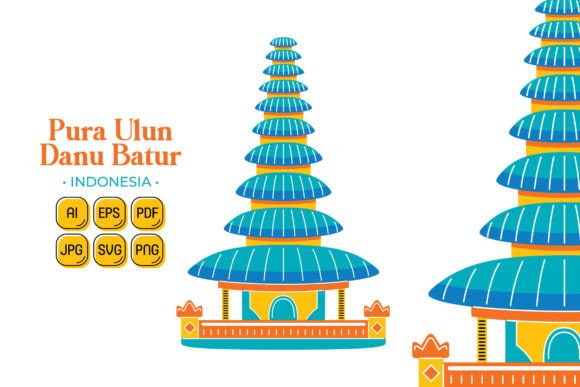
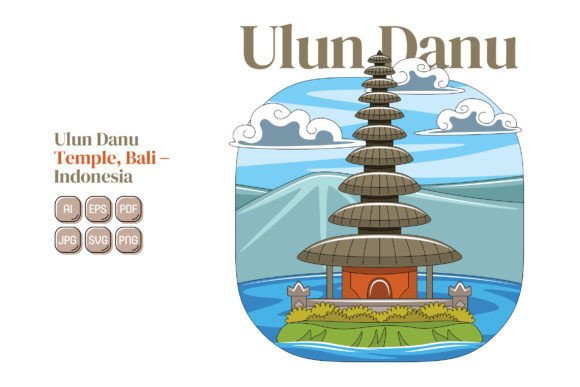
This illustration offers a compelling editorial mood that leans into the artistic and modern, while still feeling grounded in tradition. The temple’s architectural details are rendered with precision, yet the overall style remains uncluttered and approachable. It naturally supports travel-related content, making it ideal for bloggers, publishers, and marketers focused on Indonesia as a destination or broader Southeast Asian culture.
The aesthetic is lifestyle-focused but not overly playful—it strikes a balance between sophistication and warmth. This makes it suitable for both educational pieces and promotional content, especially when paired with thoughtful copy about cultural heritage, sustainable tourism, or local traditions. It doesn’t scream “summer getaway” but rather invites curiosity and deeper engagement.
Real Publishing Applications for Real Results
One of the standout qualities of this vector illustration is how well it integrates into real publishing workflows. Here are just a few scenarios where I see it shining:
- Blog Featured Images: The temple’s prominence gives it strong visual hierarchy, which can help your posts stand out in search results and social feeds.
- Pinterest Graphics: With its rich imagery and clear focal point, it works beautifully as the central element in vertical pins, especially those promoting travel guides or digital downloads.
- Newsletter Headers: As a background or accent, it adds a touch of professionalism and visual interest to your email campaigns without overwhelming the message.
- Lead Magnets & Digital Guides: Whether you're creating an eBook cover or designing a free downloadable travel checklist, this illustration helps create a cohesive brand identity that feels polished and trustworthy.
- Category Thumbnails: On sites with multiple travel sections, using this asset in category headers can improve recognition and navigation for returning readers.
Aesthetic Consistency Across Platforms
Consistency is one of the pillars of strong brand identity. Using Ulun Danu Temple Vector Illustration repeatedly across different content formats—like website banners, Canva templates, and social media previews—helps build a stronger visual identity. Readers begin to associate the look of the illustration with your content niche, enhancing their trust and recall value over time.
Performance-Driven Visual Strategy
When choosing a graphic design asset, it's not just about beauty; it's about impact. Let’s break down how this illustration can influence content performance:
- Stronger First Impressions: The detailed yet refined composition draws the eye instantly, increasing the likelihood that users will stop scrolling and engage with your content.
- Better Click-Through Potential: Its use in Pinterest pins or Facebook posts can make your graphics more clickable, thanks to the intriguing blend of cultural elements and clean layout.
- Improved Reader Trust: High-quality illustrations like this one signal professionalism and care in content curation, which is essential for affiliate marketing and lead generation pages.
- Enhanced Category Recognition: Placing it in headers or thumbnails helps categorize content effectively, guiding readers toward relevant topics faster.
What I also appreciate is that since it's a vector file, it scales perfectly across all screen sizes. That means whether you’re designing for a desktop hero image or a mobile-sized preview, the clarity stays intact.
Where It Fits Best
I recommend using Ulun Danu Temple Vector Illustration in these high-impact areas of your site or campaign:
- Hero images for travel blog landing pages
- Article thumbnails on homepages or archives
- Pinterest pins and social media visuals (especially Instagram and Facebook)
- Editorial accents in long-form content layouts
- Content upgrades such as printable travel itineraries or digital guide covers
- Newsletter headers and footer graphics
- Canva templates for consistent branding
Where to Use It Carefully
While versatile, there are some contexts where this illustration might not perform optimally:
- Small mobile thumbnails: The intricate details may get lost at lower resolutions.
- Text-heavy blog images: If your featured image includes a lot of text, the illustration could compete for attention unless carefully balanced.
- Low-contrast backgrounds: Since the illustration uses softer tones, it might not pop as intended if placed on similar-colored backdrops.
- Busy layouts: Avoid using it alongside too many other graphical elements, as it could dilute the focus.
- Corporate or minimalistic websites: Though professional, its decorative nature might clash with very modern or stark visual systems.
Practical Tips for Integrating the Illustration
Here are some actionable notes I follow when incorporating new design assets into a project:
- Test on Desktop and Mobile: Make sure the illustration maintains its appeal across devices. Sometimes what looks great on a laptop gets distorted on a smartphone.
- Check Thumbnail Performance: Upload it as a test thumbnail to see how it renders in Google, WordPress, and social platforms before finalizing any designs.
- Preview in a Real Blog Layout: Place it in your actual theme to see how it interacts with fonts, colors, and spacing.
- Pair with Different Font Styles: Try it beside serif, sans serif, script, handwritten, and display fonts to find the most harmonious combinations.
- Review File Size: Even though it’s a vector, exported versions should be optimized for web performance to ensure fast loading times.
- Confirm Commercial Licensing: Before using it on monetized websites, affiliate pages, or paid digital products, always verify that the commercial license allows for such usage.
Color and Contrast Considerations
Since this illustration is likely in color, I suggest experimenting with black-and-white versions to see how they affect readability and mood. For example, a grayscale version might work better for printed material or certain website themes. Also, ensure that the illustration complements your primary text color—especially in cases where it’s used as a background for headlines or body copy.
Designing with Purpose: A Publisher’s Perspective
When I’m building a web design strategy around a specific illustration, I think beyond aesthetics. Ulun Danu Temple Vector Illustration has potential to support content marketing in meaningful ways. It can serve as the backbone for a mini-series on Indonesian temples, or as a recurring motif in a travel-themed digital product line. Its presence subtly reinforces the idea that the content is well-crafted and visually intentional.
In affiliate marketing, where reader trust is crucial, using this kind of asset can help position your site as reliable and professional. It’s also excellent for small business branding—especially if you're targeting travelers, educators, or content creators interested in Southeast Asia.
Adapting for Multiple Uses
Because it's a vector, you can easily modify Ulun Danu Temple to suit different purposes. You might change the color palette to match seasonal themes, crop it to fit newsletter headers, or simplify the composition for a minimalist look. This flexibility is invaluable in maintaining a fresh yet cohesive visual hierarchy across your platform.
Final Thoughts for Creative Publishers
Graphic design assets often go unnoticed until they're missing. But when you have a piece like Ulun Danu Temple Vector Illustration in your arsenal, it quietly does the heavy lifting—enhancing blog graphics, supporting editorial design, and reinforcing your creative design ethos. It’s not just an illustration; it’s a storytelling tool that connects readers with the essence of a place through visual language.
For those who want to take their content marketing to the next level, this is a solid choice. Just remember to apply it thoughtfully and strategically. Test it in context, pair it with the right typography, and always consider your audience’s expectations. Used correctly, Ulun Danu Temple can become a signature element in your design assets library—supporting everything from casual blog posts to premium printable design resources.